

News Archive
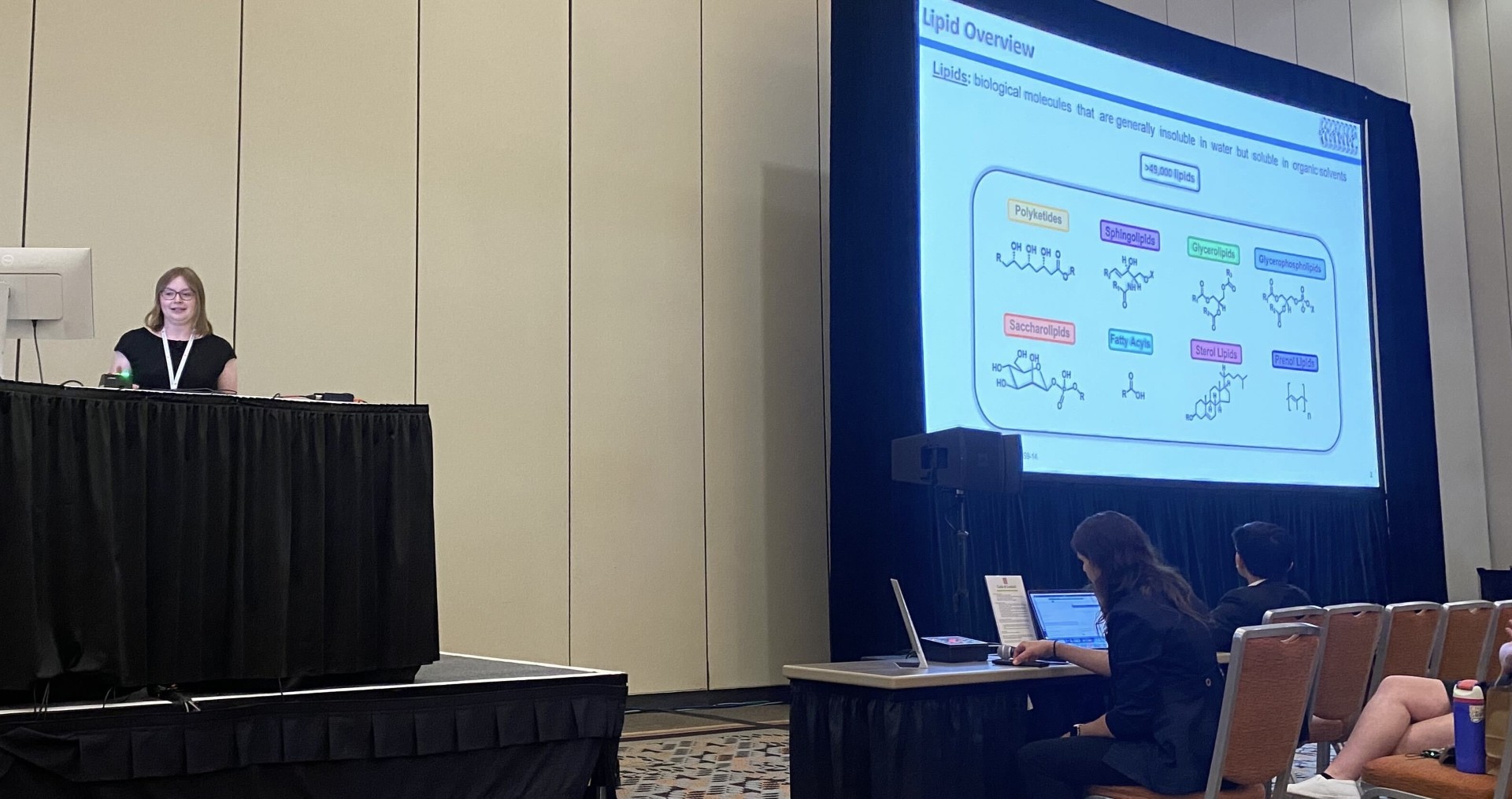
Amie Solosky's research could help uncover hidden signs of disease and improve how we understand our body’s response to inflammation, diet and environmental stressors.

The Department of Chemistry at the University of North Carolina at Chapel Hill is pleased to announce the promotion of...
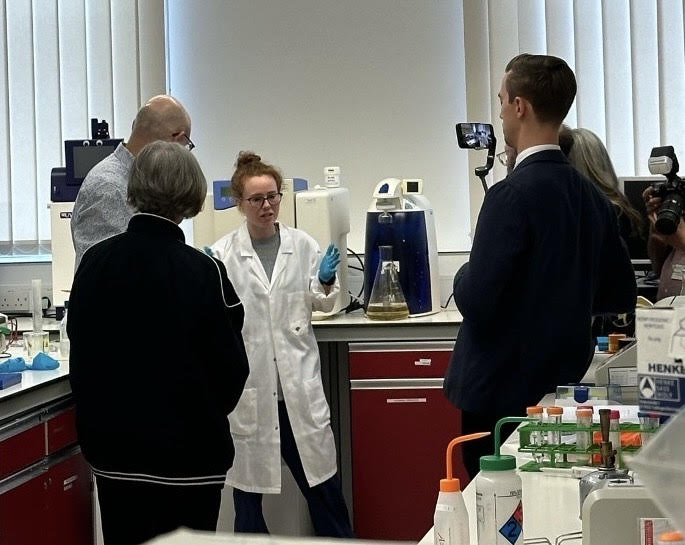
In her lab at Wake Forest University, Assistant Professor Katherine Albanese is reimagining proteins as tools for probing life at the molecular level—decoding how subtle chemical tags on DNA-packaging proteins affect gene expression and, ultimately, health.
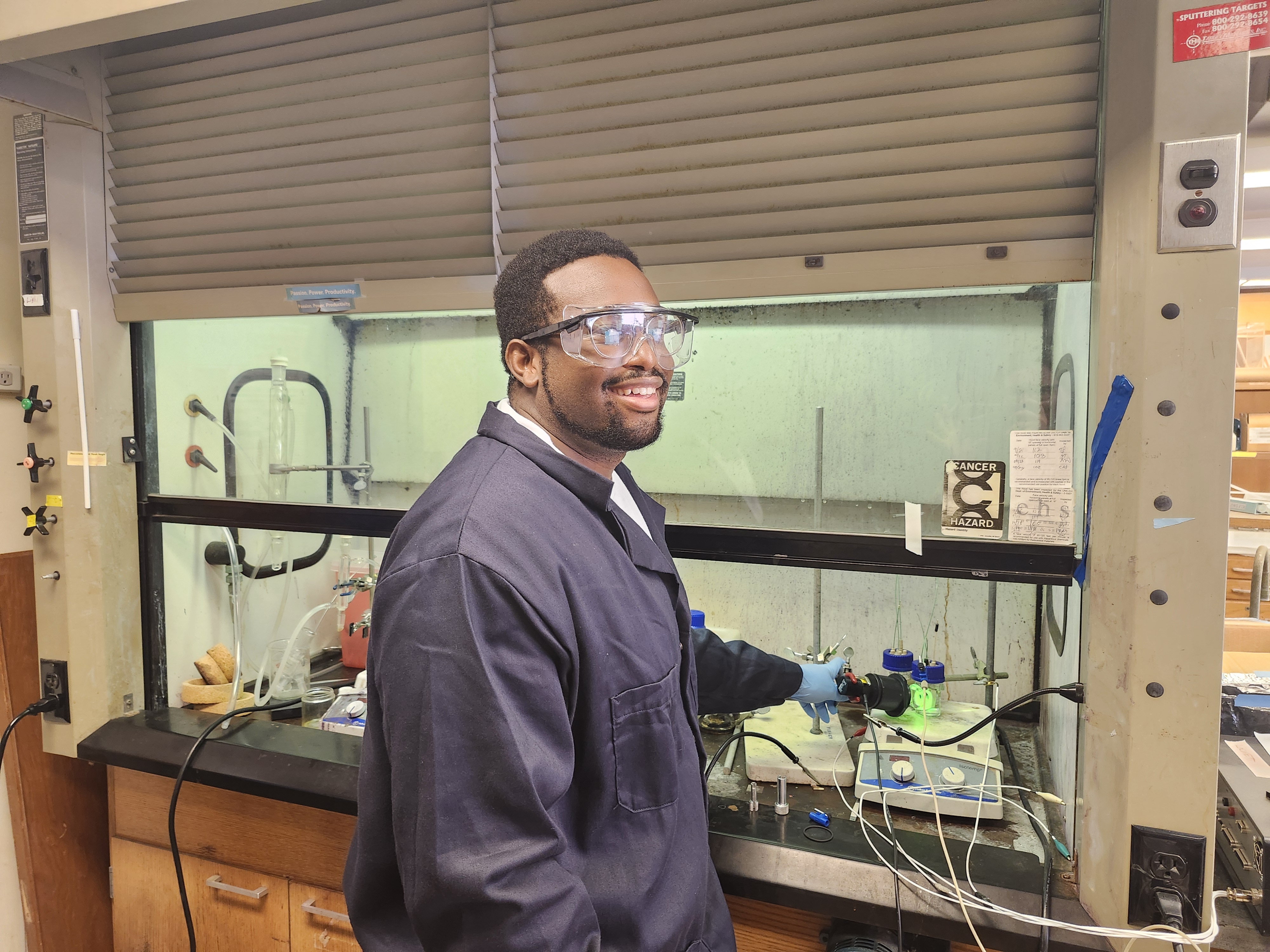
UNC-Chapel Hill chemistry researchers have discovered a new way to attach powerful carbon dioxide-reducing molecules to silicon surfaces that could help scientists harness sunlight to turn carbon dioxide into useful fuels and chemicals.

Walk through UNC’s modern chemistry complex and you’ll see Lowry Caudill’s influence everywhere—on the facilities, the fundraising campaigns, the student experiences and, perhaps most enduringly, the values that guide the department’s mission.
From investigating untreatable diseases and sustainable energy storage to creating programs for a more connected Carolina, Rodriguez crafted a dynamic Ph.D. experience that enabled her to thrive in the halls of Kenan and in BASF’s prestigious Leadership Development Program.

The MX908, developed by UNC and 908 Devices, combines thermal desorption, chemical ionization and tandem mass spectrometry to detect hundreds of analytes at trace levels including illicit drugs.
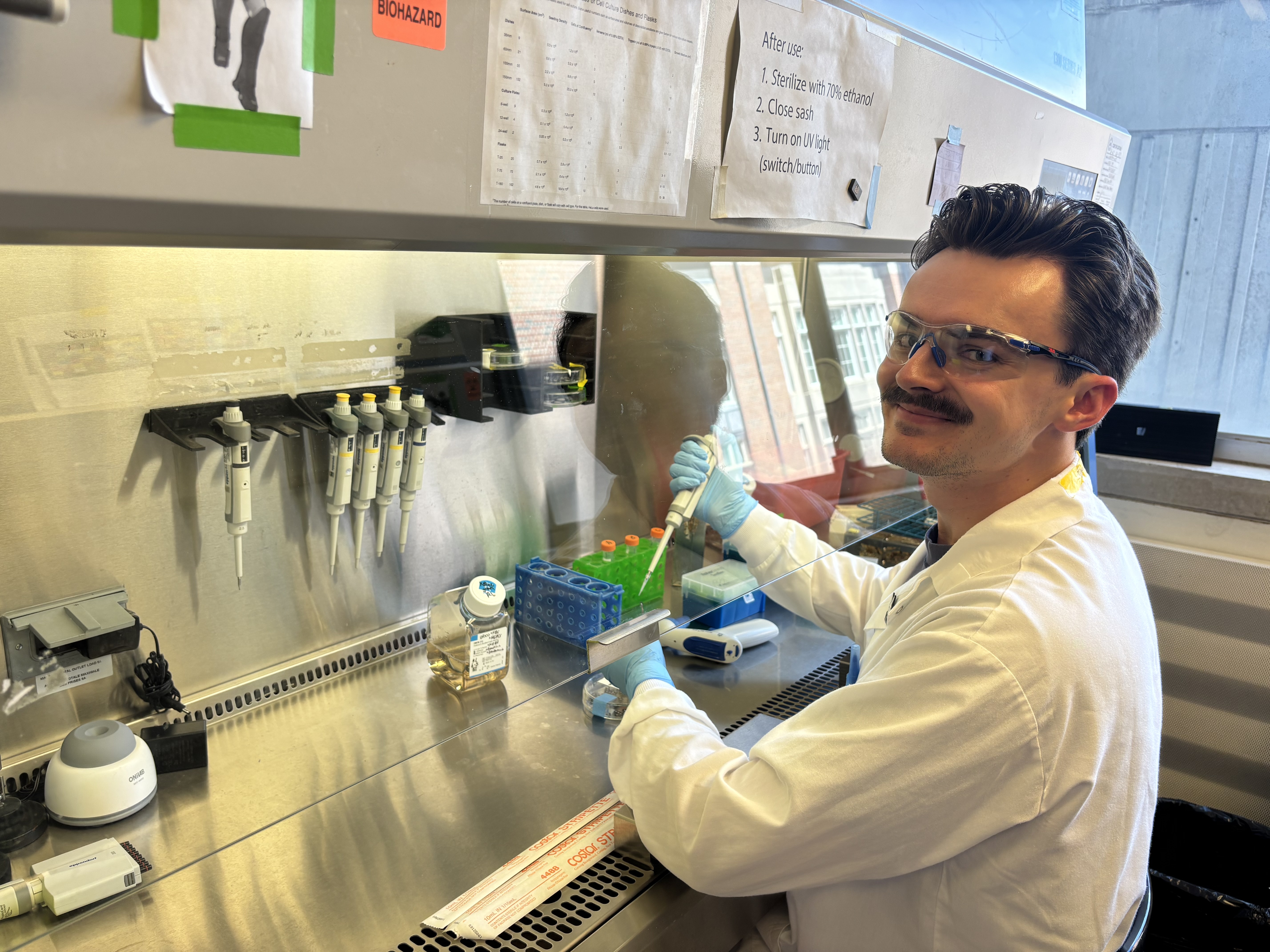
Researchers found that certain PFAS may do more than just hang around. They might also make some breast cancers more aggressive over time.
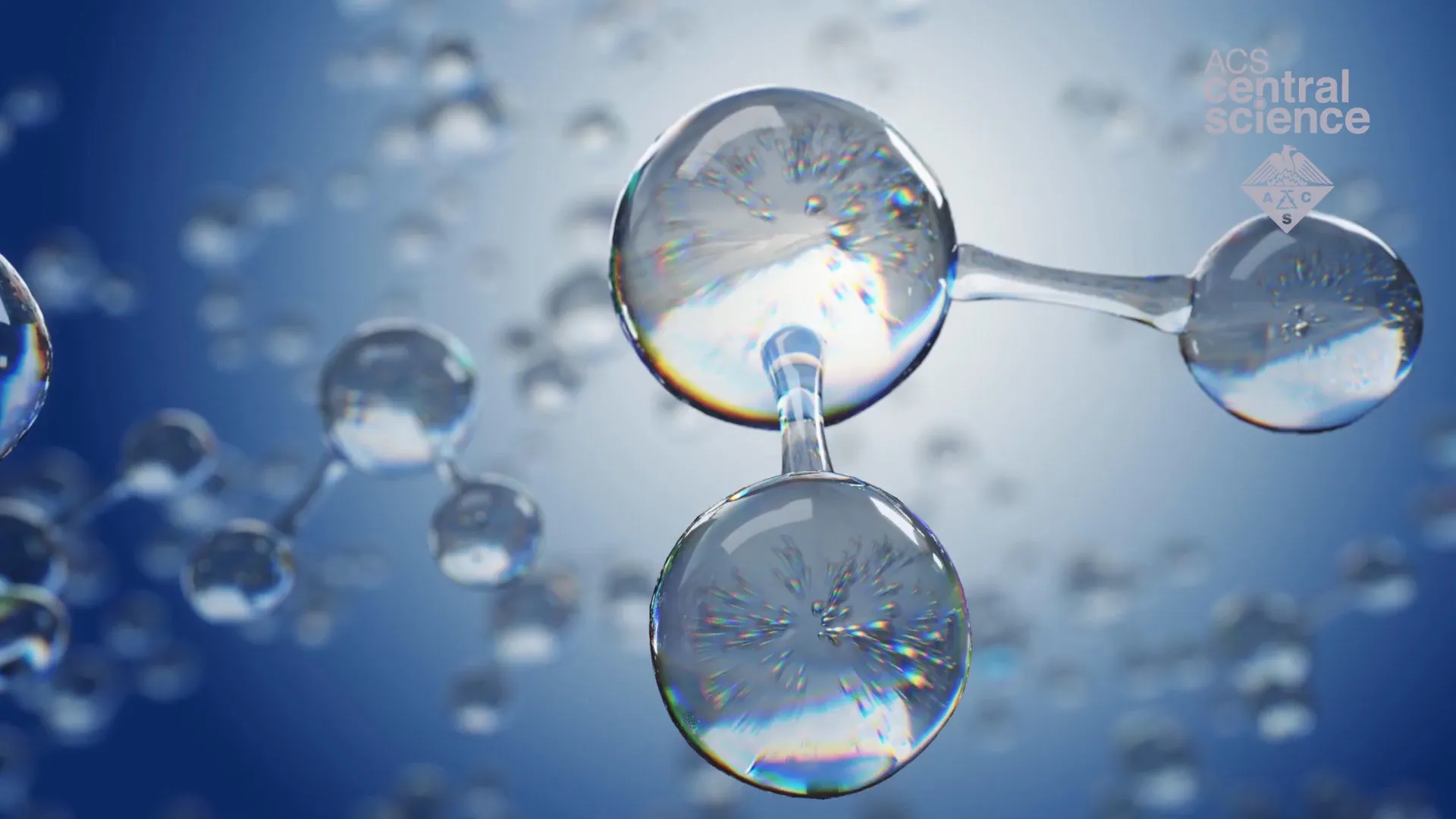
Researchers studied how a special metal—ruthenium—reacts when it's part of a molecule attached to a thin glass-like surface. This metal can help pull apart water molecules, a process necessary for a hydrogen-based economy.
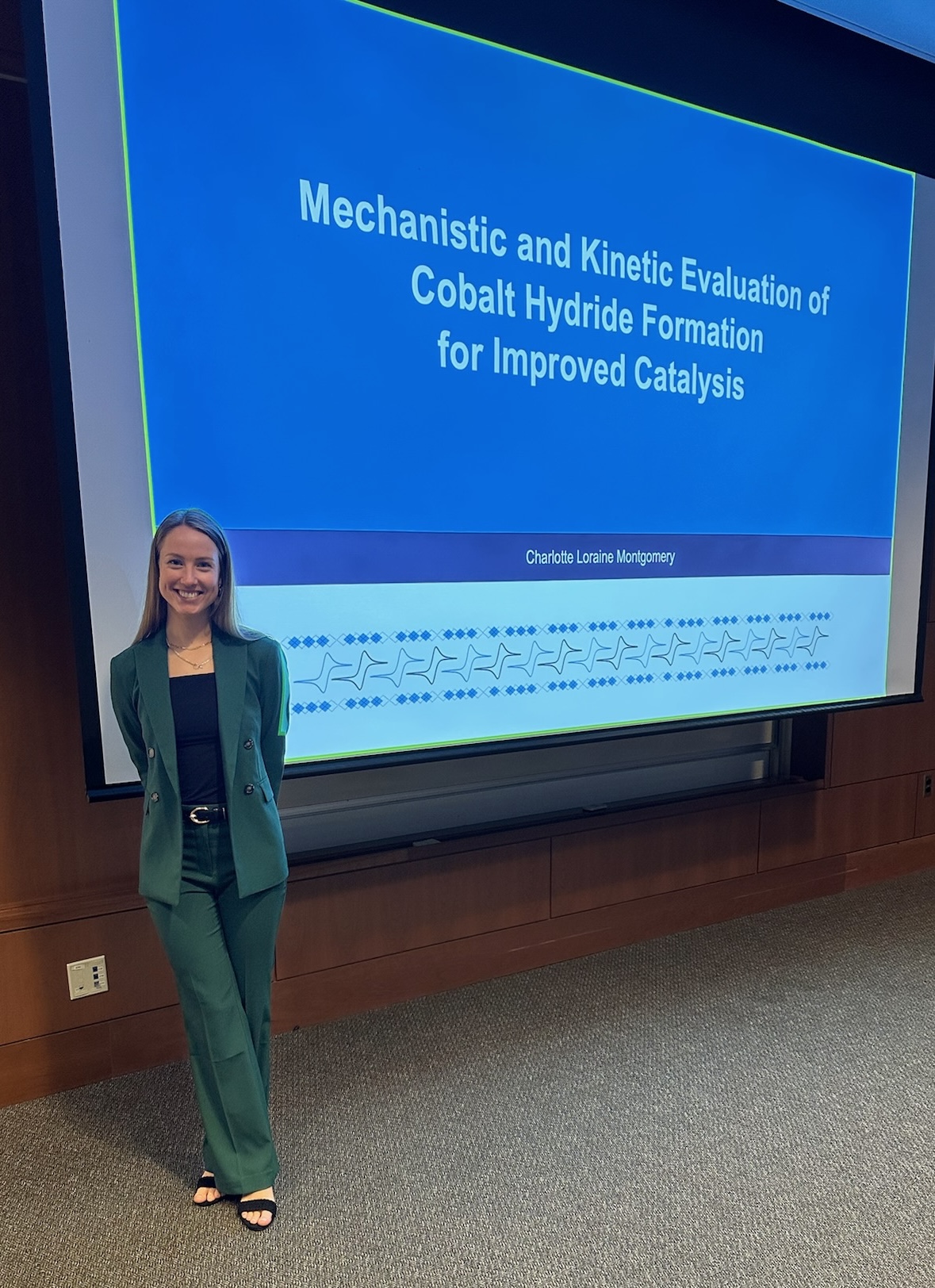
Charlotte Montgomery tackles a highly specific, but critical, question: how does tweaking tiny chemical features on a molecule affect its ability to form a crucial intermediate called a metal hydride?

Dr. Wei You said his team's innovation could “open the door to scalable, safe and flexible organic electronics."
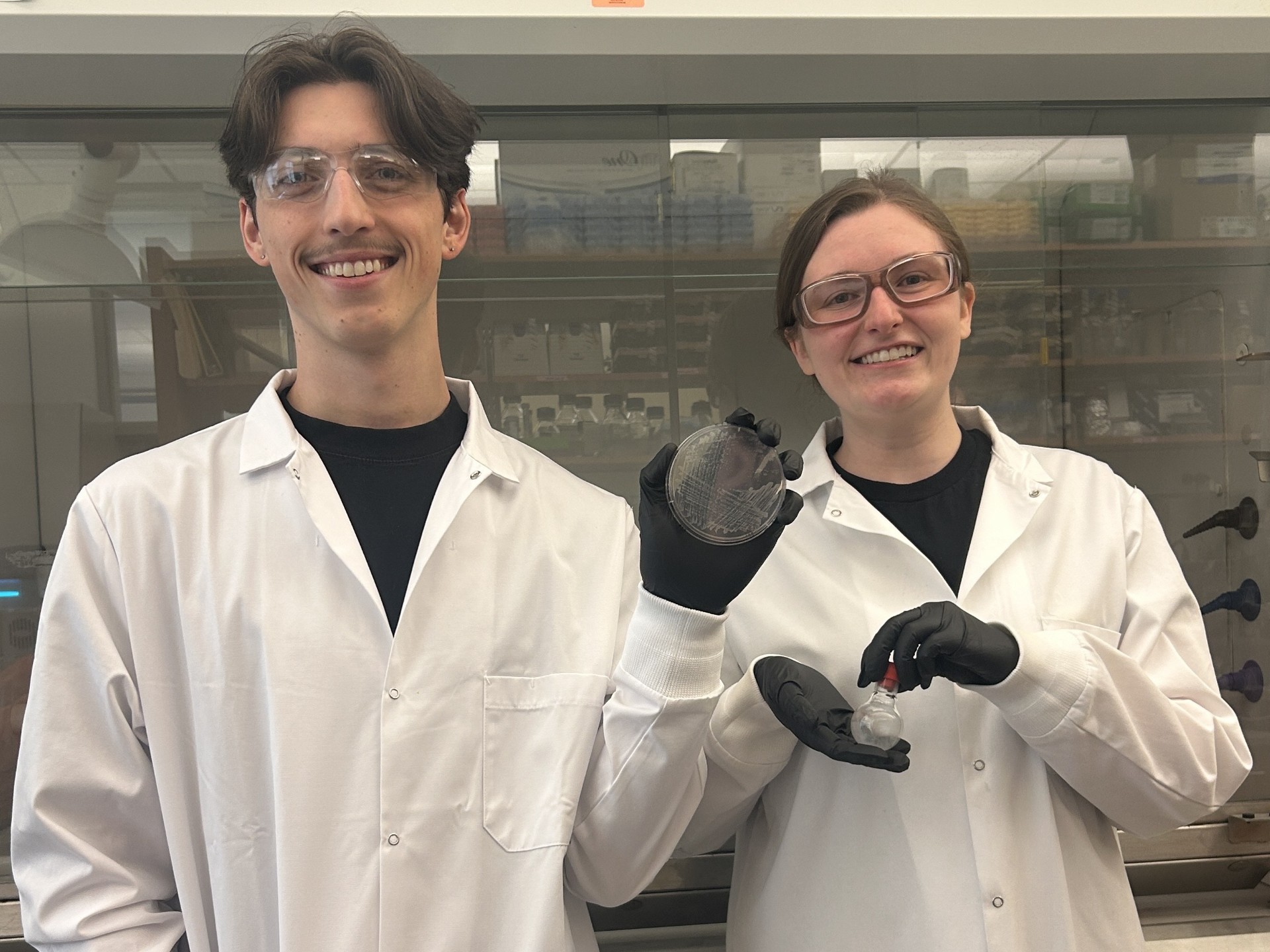
A team of chemists is tackling one of the toughest bacterial infections facing patients with lung disease—Mycobacterium abscessus, a fast-growing and drug-resistant germ that can turn deadly.